Quick answer: best option summary
From Incheon Airport to Seoul, first confirm your arrival terminal and your hotel’s final walk. Choose AREX when its station or a manageable transfer suits the destination, an airport bus when the official route stops close to the hotel, and an official taxi rank when luggage, arrival timing, or the final address makes a direct ride easier.
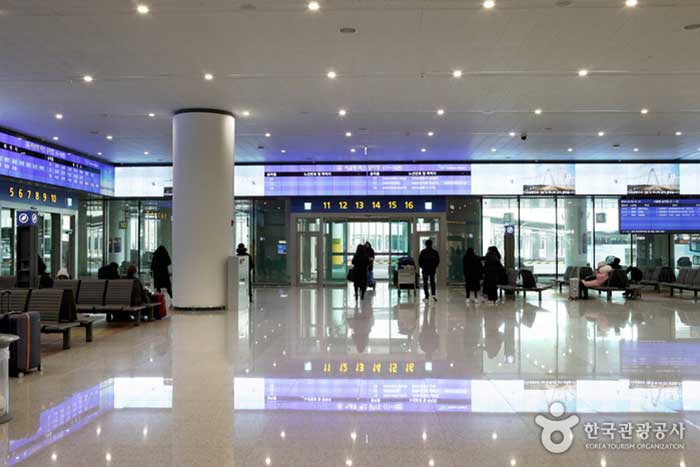
Information checked: September 10, 2026 (Korea Standard Time). For terminal transport locations, use Incheon Airport’s English Airport Railroad Guide, Terminal 1 bus-stop guide, Terminal 2 bus-stop guide, and Taxi Guide. For current AREX operation, use the official passenger-facing AREX live-train-information page (Korean) as a re-check entry point. Routes, boarding points, fares, and operating conditions can change.
Choose in this order
- Terminal: Confirm whether your flight arrives at Terminal 1 or Terminal 2, then use the airport’s current transport guide for that terminal’s ground-transport information.
- Destination: Choose AREX if the rail stop and final transfer are easy for your hotel; choose an airport bus if its current official route leaves you close to the hotel; choose a taxi from an official airport rank if the final address is awkward for public transport.
- Luggage: With light, manageable bags, a train or bus can work well. With several large cases, children, or mobility needs, prefer the option with the least walking and fewest transfers.
- Arrival time: Re-check current train and bus information after your flight details are known. If a public-transport option no longer fits your arrival, follow airport signs to the official taxi rank rather than accepting an unsolicited ride.
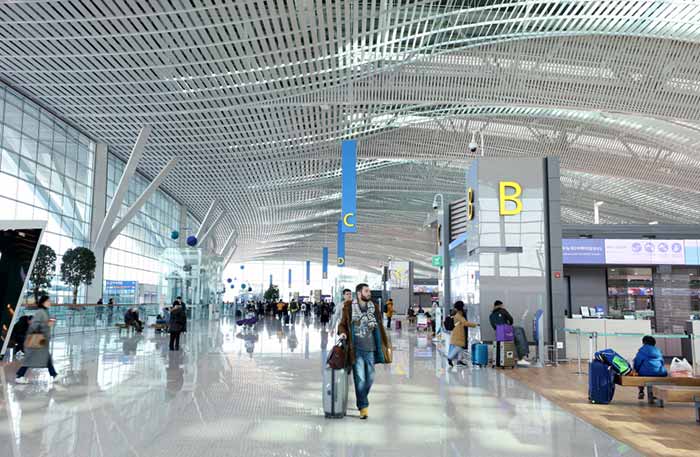
After a long flight, the first real decision in Korea often happens before you have even left the terminal: train, bus, taxi, or the driver holding a name sign? Incheon International Airport is well organized, so none of these choices are difficult in theory. The catch is that the “best” route can change quickly once you add luggage, jet lag, a late arrival, or a hotel that is not right beside a station.
This guide keeps the choice simple. It compares the AREX airport train, airport limousine buses, regular taxis, and private transfers from Incheon Airport to Seoul, then helps you pick based on your hotel area and travel style. Fares, schedules, routes, and boarding locations do change, so treat the advice below as a planning framework and confirm current details on the official websites before you travel.
Train, bus, or taxi: choose by the final leg
| Option | Choose it when | Think twice when | Re-check before you commit |
|---|---|---|---|
| AREX train | Your destination is near an Airport Railroad stop, Seoul Station, or a transfer you can manage with your bags. | The final route involves stairs, a long walk, or multiple changes with luggage. | Use the official passenger-facing AREX live-train-information page (Korean) only for current train arrivals and operating status. For terminal rail locations, use Incheon Airport’s English Airport Railroad Guide; confirm the current fare on the official AREX normal-train fare guide (Korean) before purchase. Check the final walk or onward transfer with your hotel or destination and a current local map. |
| Airport bus | The current airport route has a stop close to your hotel and you want to avoid a rail transfer. | The stop leaves a difficult final walk, or road conditions make the trip less predictable. | Terminal, route, stop, boarding point, and notices in Incheon Airport’s English Terminal 1 bus-stop guide or Terminal 2 bus-stop guide. |
| Official taxi | You have heavy luggage, children, a late or uncertain arrival, or an address that is awkward from a station or bus stop. | A train or bus has a simple current route and your luggage is easy to manage. | Official pickup locations and current conditions in Incheon Airport’s English Taxi Guide. Use the official queue; do not accept an unsolicited ride. |
There is no fixed “best” choice for every traveler. Compare current official details with the last part of your route—terminal, hotel location, luggage, and arrival time—before you leave the arrivals area.
Option 1: AREX airport train
AREX, short for Airport Railroad Express, connects Incheon Airport with Seoul by rail. It is the cleanest choice when you want predictable timing and do not want to think about road traffic. Travelers generally compare two services: the AREX Express Train, designed for direct travel between the airport and Seoul Station, and the All Stop Train, which serves multiple stations along the Airport Railroad line.
Best for
AREX works especially well if your hotel is near Seoul Station, Hongdae, Gongdeok, Digital Media City, or another station connected to the Airport Railroad or subway network. It is also useful if you plan to continue by KTX from Seoul Station. The Express Train suits a straightforward airport-to-Seoul Station plan, while the All Stop Train may be more convenient if your final destination is along the line or if you need a subway transfer before Seoul Station.
How to board
At Incheon Airport, follow signs for “Airport Railroad” or “AREX.” Ticket machines usually offer English, and transport staff may be available around the gates and information areas. Ticketing rules can differ between the Express Train and the All Stop Train, so check the current process before buying, especially if you plan to use a transportation card.
The best part of AREX is that it makes the first leg of the trip feel controlled. You board, the train runs on rails, and traffic is no longer your problem. The part to think about is what happens after you get off. If your hotel is a short, level walk from a station, great. If it is several exits away, uphill, or across a busy intersection with two suitcases, a “simple” train route can suddenly feel less simple.
Option 2: Airport limousine bus
Airport limousine buses are coach buses that connect Incheon Airport with many parts of Seoul. They are not limousines in the luxury-car sense; they are comfortable airport buses with luggage storage underneath. When the route matches your hotel area, this can be one of the easiest ways to arrive because you sit down once and avoid subway transfers.
Best for
Choose the airport bus if your hotel’s access page mentions a nearby airport bus stop, or if the stop is clearly within an easy walk of your accommodation. This is often worth checking for areas such as Myeongdong, Dongdaemun, Gangnam, Jamsil, and larger hotel districts. It is also a good option if you prefer a calmer ride after a long flight and do not want to manage stairs, platforms, and transfers right away.
How to board
After arrival, look for airport bus or ground transportation signs. Ticket counters and machines are usually located in the arrivals area or near the bus boarding zones. Check the bus number carefully. Two routes can sound as if they serve the same neighborhood but stop at different intersections, hotels, or sides of a district. If you are unsure, show your hotel name and full address to the information desk or ticket staff.
The tradeoff is traffic. On a smooth day, the bus can feel almost too easy: luggage stored, seat chosen, Seoul rolling past the window. During rush hour, bad weather, or a major event, the same route can take noticeably longer. Before you commit, check the latest route, timetable, fare, and stop information on the official airport or airport limousine website.
Option 3: Taxi from Incheon Airport to Seoul
A taxi is the most direct public transport option from Incheon Airport to a specific address in Seoul. It is the choice that makes sense when the final stretch matters more than saving money: late arrival, tired children, heavy luggage, a group sharing the fare, or accommodation that is awkward to reach by train or bus.
Best for
Consider a taxi if you land after many train or bus services have finished, if your hotel is not close to a station, or if your group has enough people that convenience becomes worth the higher cost. A taxi can also be practical when the map shows multiple transfers and a long walk at the end. After a long-haul flight, avoiding that final luggage drag can be a real benefit.
Taxi checklist before you choose it
Airport taxis are a normal, useful option, and most travelers using the official taxi stands have an uneventful ride. The point is not that Korean taxis are unsafe; it is that taxis are more variable than trains or buses. Use this quick checklist before you decide:
- Use the official queue: follow airport taxi signs and avoid unsolicited drivers or “special fare” offers inside the terminal.
- Reduce fare anxiety: legitimate fares can vary by distance, traffic, tolls, vehicle type, and late-night surcharge. Confirm the meter or official dispatch fare, and ask for a receipt if you are worried about the charge.
- Prepare the address: save your hotel name, full address, phone number, and map pin in English and Korean before leaving airport Wi-Fi.
- Check the route lightly: use TMAP/T Map or another navigation app for a rough route sanity check. Traffic or construction may change the route, so treat it as a calm reference, not a confrontation tool.
- Pre-check Kakao T: Kakao T, still often called Kakao Taxi, may help with calling or reserving a ride, but foreign account setup, phone verification, payment, pickup rules, and language support can change. Test it before departure and keep the taxi stand or a private transfer as backup.
- Consider ride comfort: some vehicles may have smoke residue, strong air freshener, food smell, or other vehicle odor. Electric and hybrid taxis can be quiet and clean, but acceleration or regenerative braking may bother motion-sensitive passengers.
For a deeper arrival checklist, including fare anxiety, apps, route checks, and official taxi stand details, see the full Incheon Airport taxi guide for fares, apps, and safety checks.
Option 4: Private airport transfer
A private airport transfer is a pre-booked car or van that meets you at Incheon Airport and takes you to your hotel. It is rarely the cheapest way into Seoul, but it can be the calmest. For some travelers, knowing that the arrival plan is already arranged is worth paying extra.
Best for
Private transfers are especially useful for families, business travelers, late-night arrivals, travelers with oversized luggage, and groups that need a larger vehicle. They also help when someone in the group may be uncomfortable navigating public transport after a long flight, or when your accommodation is not easy to describe in the moment.
How to book and what to check
Transfers are usually booked through travel platforms, hotels, or transport companies before arrival. Read the meeting instructions closely. Some drivers wait in the arrivals hall, while others use a designated meeting point. Check waiting time, flight delay handling, cancellation rules, luggage limits, child-seat availability if needed, and whether tolls are included.
The appeal is simple: less thinking after landing. The downside is cost, plus the same road traffic that affects taxis and buses. If your flight arrival time changes, contact the provider as soon as possible so the driver and meeting time can be adjusted according to the booking policy.
How to decide based on your Seoul neighborhood
Staying near Seoul Station? AREX is usually the first option to check. From Seoul Station, you can connect to subway lines, KTX trains, buses, or a short taxi ride. If your hotel is close to the station and your luggage is manageable, this route is often straightforward.
Staying in Hongdae, Gongdeok, or along the Airport Railroad? The All Stop Train may be more convenient than going all the way to Seoul Station and backtracking. Check your exact station, exit, and walking route before choosing.
Staying in Myeongdong, Dongdaemun, Gangnam, Jamsil, or near a major hotel? Look for an airport limousine bus stop. Many hotels list airport bus access on their official website. If the stop is close, the bus may be easier than changing subway lines with luggage.
Staying at a guesthouse, apartment, or small hotel away from a main station? Pay close attention to the last ten minutes of the route. The fastest public transport route on a map is not always the easiest route with bags. A taxi from Seoul Station, a direct airport taxi, or a private transfer may be more comfortable if you arrive tired, late, or with a lot to carry.
What if you arrive after public transport stops?
Late-night arrivals need a current schedule check, not guesswork. Before leaving baggage claim, confirm the last AREX train, subway connection, and airport bus options on the official airport website, airport screens, ticket counter, or information desk. Operating hours can change by terminal, date, season, and road conditions. For a step-by-step after-hours plan, use the late-night Incheon Airport to Seoul guide.
If a train or airport bus still works for your destination, use that plan first. If public transport no longer fits your arrival time, follow the signs to the official taxi stand or use a pre-booked private transfer. Avoid unsolicited drivers inside the terminal, prepare your hotel address in Korean, and check the total transfer conditions if you booked a car in advance.
Waiting at the airport can also be reasonable if the first train or bus is only a few hours away and you feel alert enough to keep your bags secure. Treat it as a comfort and safety decision. If you need an indoor option, use Incheon Airport’s current English facilities directory or ask an airport information desk what is accessible at your terminal that day. Do not assume that a particular room, shower, or other indoor option will be available after immigration and baggage claim; access, hours, and availability can change.
- Check first: last AREX train, airport bus, subway connection, terminal, and boarding location.
- Use official fallback options: official taxi stand, reputable private transfer, or hotel-arranged pickup.
- Wait only if sensible: you feel safe, can secure luggage, and have a clear first-morning transport plan.
- Choose a room or transfer if: you are exhausted, unwell, traveling with children, carrying valuable luggage, or unable to confirm a safe rest option.
Quick checklist before you leave the airport
- Confirm current fare, timetable, route, bus stop, and boarding location details on official sources.
- Save your hotel name, full address, phone number, and map pin in English and Korean if possible.
- Check whether your landing time still works with your planned train or bus schedule.
- Plan the final stretch from Seoul Station, a subway station, or a bus stop to your accommodation.
- Keep payment flexibility, such as a card plus a small amount of local currency, because ticketing and taxi payment situations can vary.
- If you are tired, traveling with children, or carrying heavy luggage, choose the route with fewer transfers rather than the one that only looks fastest.
Official re-check links before travel
Use these official pages to re-check your own terminal, route, fare, and access details. They are current-information entry points, not evidence that a particular departure, fare, or indoor option will be available for your trip.
- Incheon Airport Airport Railroad Guide — English terminal rail-location guidance; the airport says web information is reference-only and directs travelers to the railway operator for current service details.
- Incheon Airport Terminal 1 bus-stop guide and Terminal 2 bus-stop guide — English terminal-specific bus locations and notices.
- AREX live-train-information page (Korean) — official live train arrivals and operating status only; it is not a fare, route, or final-transfer planner.
- AREX normal-train fare guide (Korean) — official passenger fare guidance; confirm ticket conditions before purchase.
- Incheon Airport Taxi Guide — English official taxi pickup locations and current taxi information.
- Incheon Airport facilities directory — on-the-day re-check entry point for terminal facilities and access questions; no particular indoor option is asserted here.
Frequently Asked Questions
What should I do if I arrive at Incheon Airport late at night?
Check live last train and bus options first. Operating patterns can change by terminal, season, weather, and public holiday, so do not rely on an old daytime route. If trains or buses no longer fit your schedule, a licensed taxi or pre-booked private transfer may be the simplest option, especially with large bags, children, or a hotel check-in deadline. Before leaving the arrivals hall, confirm your destination in Korean or with a map pin, and avoid unofficial drivers who approach passengers directly.
What is the easiest way to get from Incheon Airport to Myeongdong?
The airport bus is often easiest if it stops near your hotel. Myeongdong is central, but the best route depends on arrival time, luggage, and exact hotel location. Many travelers compare AREX plus a subway or taxi connection, an airport limousine bus, or a taxi/private transfer directly to the door. If you are staying near Seoul Station or are comfortable transferring, AREX can be efficient. For late arrivals, heavy bags, or first-time visitors who want the least walking, a door-to-door ride may be worth considering.
Is AREX or the airport bus better from Incheon Airport to Seoul?
AREX is usually better for Seoul Station, Hongdae, and travelers who want predictable rail timing. The airport bus is often easier when it stops near your hotel in Myeongdong, Gangnam, or another major area. Check the final walk, luggage, arrival time, and current official schedules before choosing.
Should I take a taxi or book a private airport transfer?
Choose a taxi for flexibility and a transfer for predictability. A regular taxi is usually arranged after arrival, but the final cost can vary with distance, traffic, late-night surcharges, tolls, vehicle type, and your exact Seoul neighborhood. A private transfer is booked in advance, so it can feel easier if you want a driver waiting with your name, need a larger vehicle, or prefer not to explain your address after a long flight. Compare the total price, luggage capacity, highway tolls, waiting time, and late-night fees.
How do I check the AREX schedule and buy tickets?
Check the official AREX schedule before buying. AREX has different service types, and the best choice depends on whether you want a direct ride toward Seoul Station or a route that connects with other subway lines. Tickets and fare options can vary by service, promotion, and sales channel, so confirm them through official AREX or airport information before you pay. If your flight is delayed, allow extra time for immigration, baggage claim, terminal transfers, and walking from arrivals to the station.
How do I know which airport bus stop is closest to my hotel?
Use your hotel address, not only the district name. Airport bus stop names can refer to a district, landmark, or major hotel rather than your exact accommodation. Before choosing a bus, search your hotel address on a map and compare the walking route from the bus stop, not just the straight-line distance. Also check whether the stop serves Terminal 1, Terminal 2, or both. If your hotel is on a steep street, in an alley, or several blocks from the stop, a taxi for the final short leg may be easier.
Can I sleep or rest at Incheon Airport before going to Seoul?
Possibly, but do not plan around a named option before you arrive. Your terminal, arrival time, budget, and landside or airside access can affect what is usable. Check Incheon Airport’s current English facilities directory or ask an airport information desk about accessible options at your terminal that day. Keep valuables secure, and choose a taxi, pre-booked transfer, or airport-area hotel if you are too tired to wait safely.
Practical arrival tips for first-time visitors
Before your flight, save the official transport pages, your hotel address, and your preferred route offline. Airport Wi-Fi is usually available, but it is better not to depend on it for every decision. If you plan to use public transport in Korea, look into getting a transportation card after arrival or at a convenience store, depending on your route and current availability.
Give the arrival process more time than the flight itinerary suggests. Immigration, baggage claim, money exchange, SIM or eSIM setup, and finding the transport area can all take longer than expected. If you land late at night, check final train and bus times in advance rather than assuming something will still be running.
Think about luggage honestly. Seoul’s transport system is modern, but transfers can still be tiring with large suitcases. Look for elevator signs when needed, avoid peak commute times if you can, and do not feel bad about choosing a taxi for the last leg if it makes the arrival smoother.
Final recommendation
There is no single best way to get from Incheon Airport to Seoul. For travelers near Seoul Station or the Airport Railroad, AREX is usually the cleanest starting point. For hotels near an airport bus stop, the limousine bus can be the most comfortable balance of price and convenience. For late arrivals, heavy luggage, families, or awkward addresses, a taxi or private transfer may be the better arrival-day decision.
The goal is not to win the cheapest or fastest route on paper. It is to reach your hotel without turning the first hour in Korea into a puzzle. Check the official fare, timetable, route, and boarding details before you go, choose the option that fits your actual arrival, and the trip from Incheon Airport into Seoul should feel much easier.
3 thoughts on “How to Get from Incheon Airport to Seoul: AREX, Bus, Taxi, and Private Transfer”